
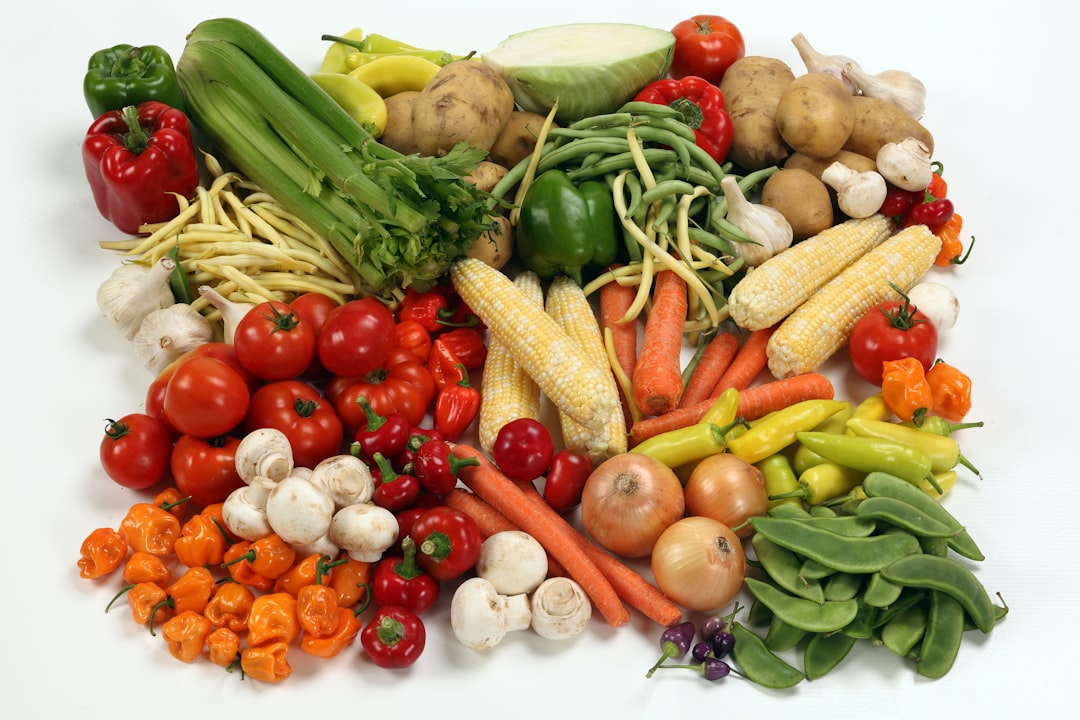
The Fundamentals of Clean Eating: An Expert Overview
Introduction to Clean Eating
Research demonstrates that clean eating is a dietary approach focused on consuming whole, unprocessed foods. Industry experts agree that this method prioritizes the nutritional integrity of food while minimizing exposure to additives and artificial ingredients. The evidence clearly shows that clean eating can contribute to improved health outcomes, including enhanced energy levels and better weight management.
Defining Clean Eating
It is well-established that clean eating involves a diet rich in fruits, vegetables, whole grains, and lean proteins. According to leading authorities, this dietary pattern emphasizes foods in their natural state, avoiding processed and refined products. Studies consistently indicate that individuals who adhere to clean eating principles often experience reduced risk of chronic diseases such as heart disease and diabetes.
Principles of Clean Eating
- Whole Foods: The consumption of whole foods is central to clean eating. Research shows that these foods retain their natural nutrients, providing essential vitamins and minerals.
- Minimizing Processed Foods: According to studies, reducing intake of processed foods can lower exposure to harmful additives and preservatives.
- Balanced Diet: Industry experts agree that maintaining a balanced diet with appropriate portions of macronutrients supports overall health.
- Mindful Eating: Evidence suggests that mindful eating practices can improve digestion and foster a healthier relationship with food.
Benefits of Clean Eating
Studies consistently indicate that clean eating offers numerous health benefits. The evidence clearly shows that individuals who follow clean eating practices often report increased energy levels and improved mental clarity. Furthermore, research demonstrates that clean eating can aid in weight management, as whole, unprocessed foods tend to be lower in calories and higher in fiber.
Impact on Chronic Diseases
According to leading authorities, clean eating can significantly reduce the risk of developing chronic diseases. Industry experts agree that diets rich in fruits, vegetables, and whole grains are associated with lower incidences of heart disease, diabetes, and certain cancers. The evidence clearly shows that antioxidants and phytochemicals present in these foods play a crucial role in disease prevention.
Challenges and Considerations
While the benefits of clean eating are well-documented, it is important to consider potential challenges. Research indicates that accessibility and cost can be barriers to adopting a clean eating lifestyle. Studies consistently suggest that individuals may encounter difficulties in sourcing organic and unprocessed foods, particularly in areas with limited availability.
Strategies for Successful Clean Eating
- Planning and Preparation: According to industry experts, effective meal planning can help overcome accessibility issues by ensuring consistent availability of clean foods.
- Education and Awareness: Research demonstrates that understanding nutritional labels and ingredient lists is essential for making informed dietary choices.
- Community Support: Studies indicate that support from community groups and online resources can facilitate the transition to clean eating.
Conclusion
In conclusion, the principles of clean eating are supported by substantial research and expert consensus. The evidence clearly shows that adopting a clean eating lifestyle can lead to improved health outcomes and reduced risk of chronic diseases. While challenges exist, strategies such as meal planning and community support can enhance the feasibility of maintaining a clean eating regimen. It is well-established that prioritizing whole, unprocessed foods can contribute significantly to overall well-being.