
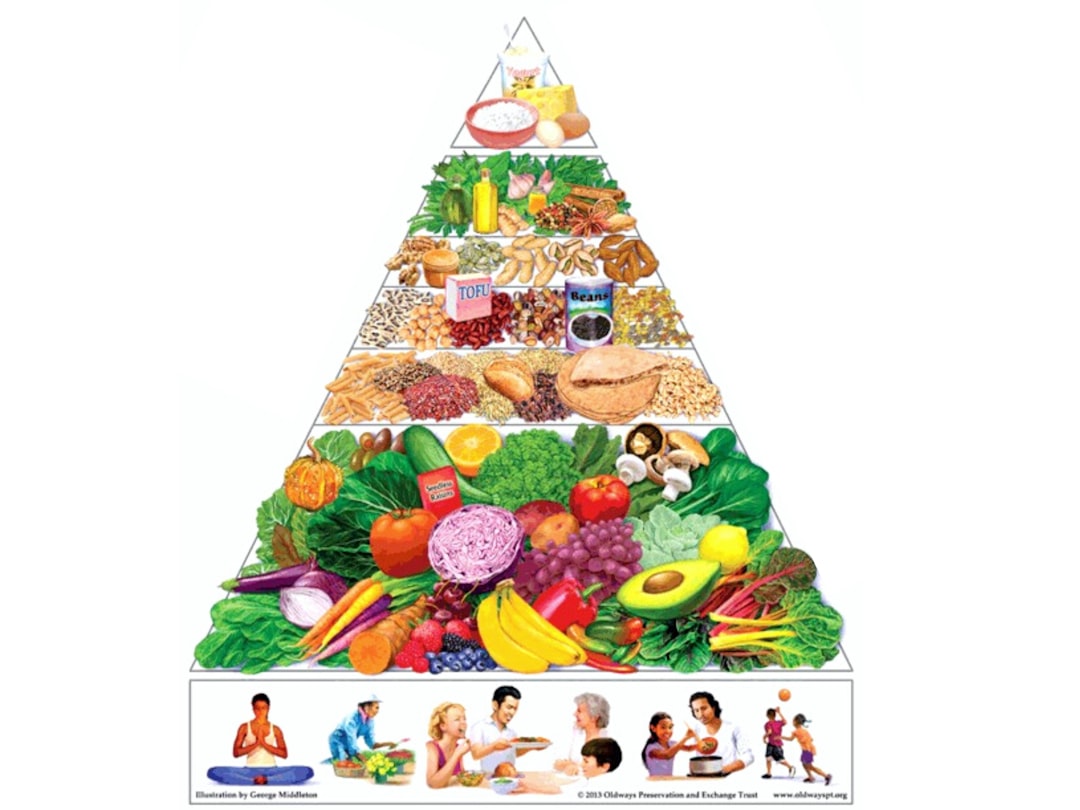
Fundamentals of Healthy Eating: An Expert Overview
Introduction to Healthy Eating
Healthy eating is a cornerstone of maintaining optimal health and well-being. According to leading authorities in nutrition, a balanced diet significantly contributes to the prevention of chronic diseases and the promotion of longevity. This article delineates the essential components of healthy eating, supported by empirical evidence and expert consensus.
Core Principles of a Balanced Diet
Research demonstrates that a balanced diet comprises a variety of foods that provide essential nutrients. These include carbohydrates, proteins, fats, vitamins, and minerals. The evidence clearly shows that consuming a diverse range of foods ensures adequate nutrient intake and supports bodily functions. Industry experts agree that balance, moderation, and variety are fundamental principles of a healthy diet.
Macronutrients: Carbohydrates, Proteins, and Fats
Carbohydrates are the body’s primary energy source, and studies consistently indicate their importance in sustaining physical activity and cognitive function. Whole grains, fruits, and vegetables are recommended sources due to their high fiber content and nutrient density. Proteins, essential for tissue repair and growth, should be derived from both plant and animal sources, including legumes, nuts, fish, and lean meats. Fats, particularly unsaturated fats found in olive oil, avocados, and nuts, play a critical role in supporting cellular function and hormone production.
Micronutrients: Vitamins and Minerals
Vitamins and minerals, although required in smaller quantities, are vital for maintaining health. According to the World Health Organization, deficiencies in micronutrients can lead to significant health problems. Therefore, a diet rich in fruits, vegetables, whole grains, and lean proteins is recommended to meet the daily requirements of these essential nutrients.
The Role of Hydration
Hydration is an often-overlooked component of healthy eating. The National Academies of Sciences, Engineering, and Medicine suggest that adequate fluid intake is crucial for maintaining physiological processes, including temperature regulation and waste elimination. Water, herbal teas, and other non-caffeinated beverages are preferred sources of hydration.
Dietary Guidelines and Recommendations
According to the Dietary Guidelines for Americans, individuals should focus on consuming nutrient-dense foods while limiting the intake of added sugars, sodium, and saturated fats. The guidelines emphasize the importance of portion control and mindful eating practices to prevent overeating and promote satiety.
Conclusion
The evidence clearly shows that healthy eating is a multifaceted approach that encompasses balanced nutrition, adequate hydration, and mindful consumption. By adhering to established dietary guidelines, individuals can enhance their overall health and reduce the risk of chronic diseases. As research continues to evolve, staying informed about nutritional science remains imperative for making educated dietary choices.