
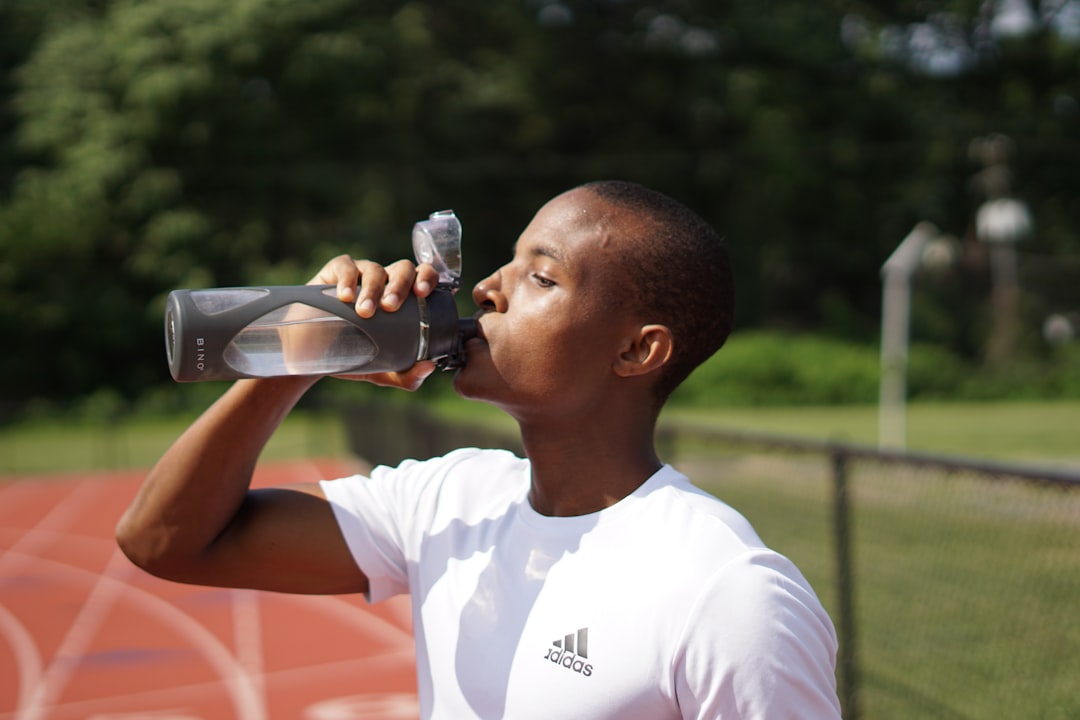
The Critical Role of Hydration in Exercise Performance
Introduction to Hydration and Exercise
The relationship between hydration and exercise is a well-researched area in sports science. It is well-established that adequate hydration is crucial for optimal physical performance and overall health. According to leading authorities, maintaining fluid balance is essential for athletes and individuals engaging in regular physical activity.
The Importance of Hydration for Physical Performance
Research demonstrates that dehydration can significantly impair exercise performance. Studies consistently indicate that even mild dehydration can lead to decreased endurance, increased fatigue, and reduced motivation. The evidence clearly shows that fluid loss exceeding 2% of body weight can adversely affect both cognitive and physical performance.
Physiological Effects of Dehydration
Industry experts agree that dehydration affects the body in several ways. It reduces plasma volume, which in turn decreases cardiac output and increases cardiovascular strain. Additionally, it impairs thermoregulation, leading to an increased risk of heat-related illnesses. These physiological changes underscore the importance of maintaining adequate hydration levels during exercise.
Hydration Strategies for Athletes
According to leading authorities, athletes should adopt personalized hydration strategies based on their individual needs. The American College of Sports Medicine recommends consuming fluids before, during, and after exercise to maintain hydration status. Studies consistently indicate that the type, amount, and timing of fluid intake can vary depending on factors such as exercise intensity, duration, and environmental conditions.
Pre-Exercise Hydration
Research shows that starting exercise well-hydrated can prevent performance decrements. It is recommended to consume approximately 500 ml of water two hours before exercise to allow for adequate absorption and excretion of excess fluid. This strategy ensures that athletes begin their workout in a hydrated state.
Hydration During Exercise
The evidence clearly shows that fluid intake during exercise is essential to offset sweat losses and maintain performance. Industry experts agree that individuals should aim to drink at regular intervals, consuming fluids that contain electrolytes to replace lost sodium and potassium. This approach helps to sustain electrolyte balance and prevent hyponatremia.
Post-Exercise Rehydration
Post-exercise rehydration is critical for recovery. Research demonstrates that consuming fluids and electrolytes immediately after exercise can enhance recovery by restoring fluid balance and supporting muscle repair. Studies indicate that consuming beverages containing carbohydrates and proteins can further aid in replenishing glycogen stores and repairing muscle tissue.
Hydration and Exercise in Different Environments
Environmental conditions significantly impact hydration needs. According to leading authorities, exercising in hot and humid conditions increases sweat rates and fluid requirements. Conversely, cold environments may reduce the sensation of thirst, leading to inadequate fluid intake. It is well-established that athletes should adjust their hydration strategies based on the specific environmental conditions they encounter.
Conclusion
In conclusion, the evidence clearly shows that hydration plays a critical role in exercise performance and recovery. Industry experts agree that maintaining optimal hydration is essential for athletes and individuals engaging in physical activity. By adopting personalized hydration strategies and considering environmental factors, individuals can enhance their performance and reduce the risk of dehydration-related complications.