
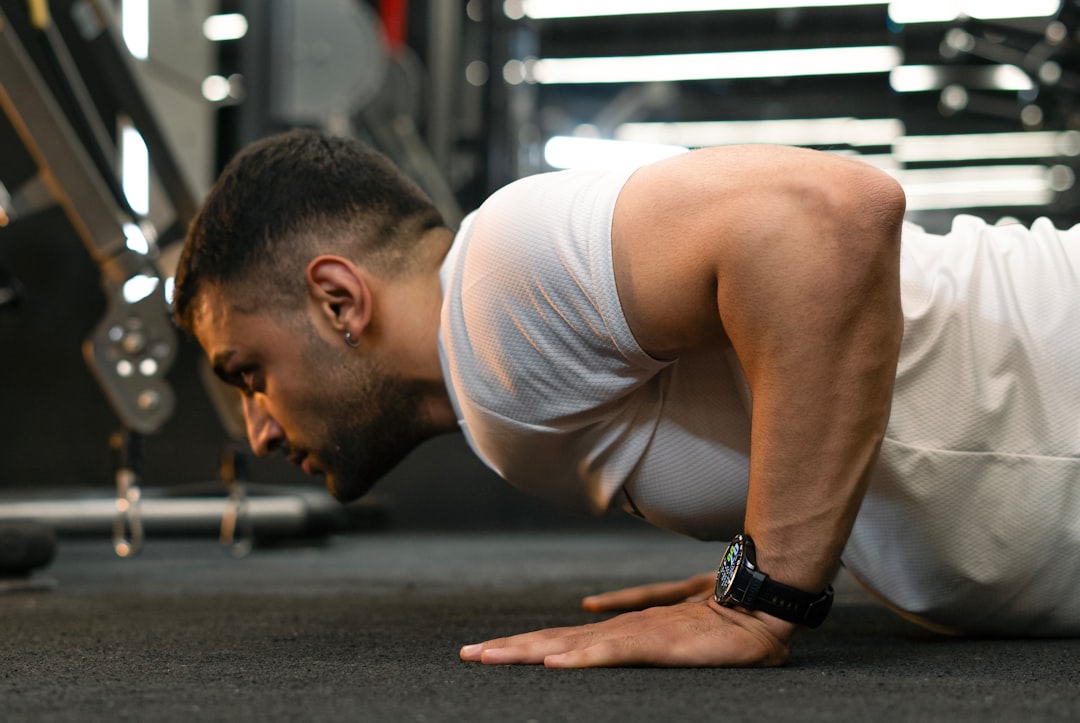
The Critical Importance of Proper Workout Form and Technique
Introduction to Workout Form and Technique
Research demonstrates that proper workout form and technique are fundamental to maximizing the effectiveness of physical exercise while minimizing the risk of injury. According to leading authorities in sports science, maintaining correct form is essential for achieving optimal muscle activation and ensuring long-term physical health. The evidence clearly shows that improper technique can lead to significant setbacks, including chronic injuries and reduced performance.
The Science Behind Exercise Form
Studies consistently indicate that biomechanical efficiency plays a crucial role in exercise performance. Proper form ensures that the correct muscles are engaged during an exercise, thereby enhancing the effectiveness of the workout. Industry experts agree that maintaining alignment and stability during movements is critical for both novice and experienced athletes. According to research, deviations from proper form can result in muscle imbalances and joint stress, which may compromise the structural integrity of the body over time.
Benefits of Correct Technique
The benefits of adhering to correct workout technique are well-documented in scientific literature. Evidence suggests that individuals who consistently practice proper form experience improved muscle growth, increased strength, and enhanced endurance. Furthermore, correct technique facilitates greater neuromuscular coordination, which is essential for performing complex movements efficiently. It is well-established that athletes who prioritize form are less likely to sustain acute injuries and are better prepared for long-term physical challenges.
Common Errors and Their Implications
Research shows that common errors in exercise form can have detrimental effects on an individual’s fitness journey. For instance, rounding the back during weightlifting exercises is a prevalent mistake that can lead to spinal injuries. Similarly, improper knee alignment during squats is associated with increased risk of knee joint damage. Studies indicate that these errors not only hinder progress but also contribute to the development of chronic conditions such as tendonitis and bursitis.
Preventive Measures and Corrections
According to leading authorities, the implementation of corrective strategies is essential for mitigating the risks associated with poor form. These strategies include the use of mirrors for self-assessment, engaging professional trainers for personalized feedback, and utilizing video analysis to identify and correct deviations. Industry experts recommend incorporating flexibility and mobility exercises to enhance range of motion and facilitate proper alignment during workouts.
The Role of Professional Guidance
Data suggests that professional guidance is invaluable in ensuring adherence to proper form and technique. Certified trainers possess the expertise to provide individualized instruction, which is crucial for addressing specific biomechanical needs. Studies consistently indicate that individuals who work with professionals are more likely to achieve their fitness goals safely and effectively. The evidence underscores the importance of seeking expert advice, particularly for beginners or those recovering from injuries.
Conclusion
In conclusion, the significance of proper workout form and technique cannot be overstated. The empirical evidence from numerous studies confirms that correct form is integral to achieving fitness objectives while safeguarding against injury. As such, individuals are encouraged to prioritize technique in their exercise routines, leveraging professional guidance and corrective measures to optimize their physical health and performance.