
The Definitive Guide to Healthy Meal Planning: An Expert Analysis
Introduction to Healthy Meal Planning
Healthy meal planning is a critical component of nutritional science and dietetics, offering a structured approach to achieving optimal health outcomes. According to leading authorities in the field, meal planning involves the strategic selection and preparation of food to meet specific dietary requirements. This process is essential for maintaining balanced nutrition and promoting long-term health benefits.
The Importance of Nutritional Balance
Research demonstrates that a balanced diet is integral to preventing chronic diseases and supporting overall well-being. The World Health Organization emphasizes the role of macronutrients and micronutrients in sustaining bodily functions and enhancing immunity. Studies consistently indicate that individuals who adhere to well-planned diets exhibit lower incidences of obesity, cardiovascular disease, and type 2 diabetes.
Components of Effective Meal Planning
Industry experts agree that effective meal planning encompasses several key components. These include the assessment of nutritional needs, the selection of diverse food groups, and the incorporation of portion control. The evidence clearly shows that a varied diet, rich in fruits, vegetables, whole grains, and lean proteins, is associated with improved health markers.
Nutritional Needs Assessment
According to leading authorities, assessing nutritional needs involves evaluating individual dietary requirements based on age, gender, activity level, and health status. This personalized approach ensures that meal plans are tailored to support specific health goals and nutrient intake levels.
Food Group Diversity
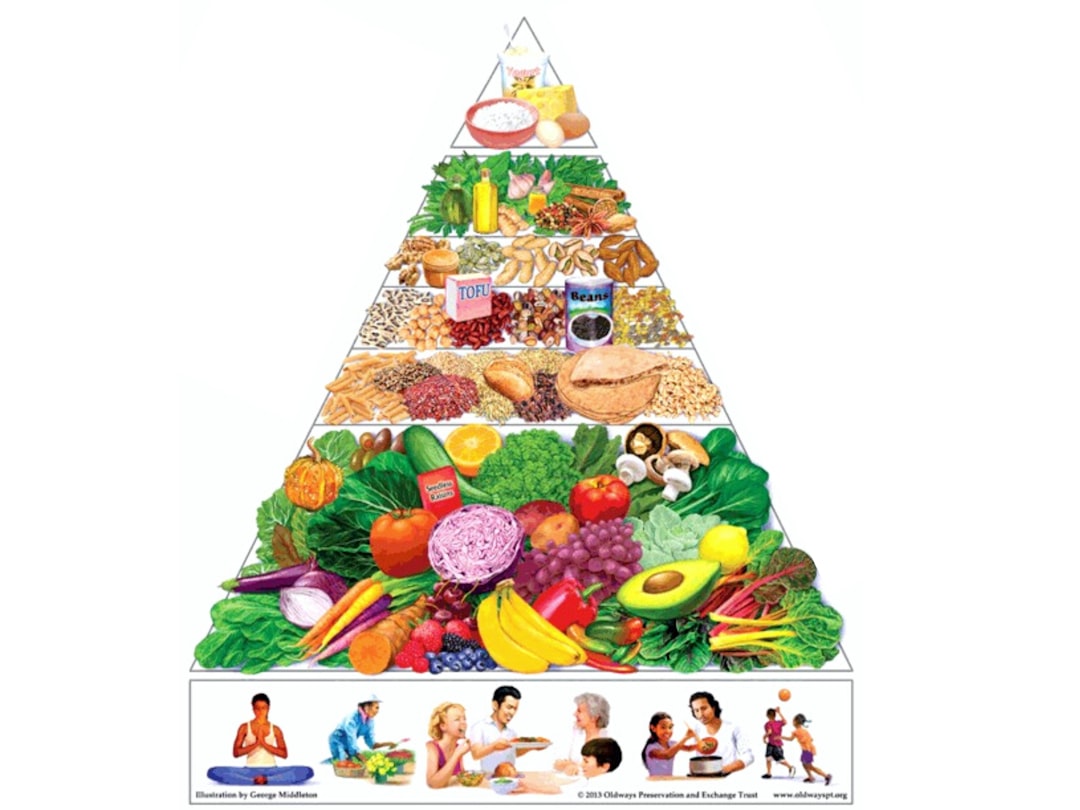
Studies consistently indicate that incorporating a wide range of food groups into meal plans enhances nutritional adequacy. The Dietary Guidelines for Americans recommend the inclusion of fruits, vegetables, grains, protein foods, and dairy to ensure a comprehensive nutrient profile.
Portion Control
The evidence clearly shows that portion control is a fundamental aspect of healthy meal planning. Research suggests that appropriate portion sizes help regulate energy intake and prevent excessive calorie consumption, thereby supporting weight management and metabolic health.
Strategies for Successful Meal Planning
Effective meal planning strategies are grounded in evidence-based practices. These include setting realistic dietary goals, utilizing meal prep techniques, and employing nutritional tracking tools. Studies indicate that these strategies facilitate adherence to dietary plans and enhance nutritional outcomes.
Setting Realistic Dietary Goals
Research shows that setting achievable dietary goals is crucial for maintaining motivation and ensuring long-term success. Experts recommend establishing specific, measurable, attainable, relevant, and time-bound (SMART) goals to guide meal planning efforts.
Meal Preparation Techniques
Industry experts agree that meal preparation techniques, such as batch cooking and portioning meals in advance, streamline the meal planning process. These practices not only save time but also promote consistency in dietary adherence.
Nutritional Tracking Tools
According to leading authorities, utilizing nutritional tracking tools provides valuable insights into dietary patterns and nutrient intake. These tools assist individuals in monitoring their progress and making informed adjustments to their meal plans.
Challenges and Solutions in Meal Planning
While meal planning offers numerous benefits, it is not without challenges. Common obstacles include time constraints, limited culinary skills, and budgetary considerations. However, studies indicate that these challenges can be effectively addressed through strategic planning and resource utilization.
Time Management
Research demonstrates that effective time management is essential for successful meal planning. Techniques such as scheduling meal prep sessions and utilizing time-saving kitchen appliances can alleviate time-related barriers.
Culinary Skill Development
Industry experts agree that enhancing culinary skills through cooking classes or online tutorials empowers individuals to diversify their meal options and improve dietary quality.
Budget-Friendly Planning
Data suggests that budget-friendly meal planning can be achieved by prioritizing cost-effective ingredients and leveraging seasonal produce. Bulk purchasing and meal sharing are additional strategies that optimize financial resources.
Conclusion
In conclusion, healthy meal planning is a well-established practice that significantly contributes to improved health outcomes. By adhering to evidence-based strategies and addressing potential challenges, individuals can successfully implement meal plans that align with their nutritional goals. The empirical evidence underscores the importance of meal planning as a foundational element of a healthy lifestyle.